



|
|
|
|
by Editor Jane Lyons
Edited and published by Yvette Depaepe, the 6th of November 2026
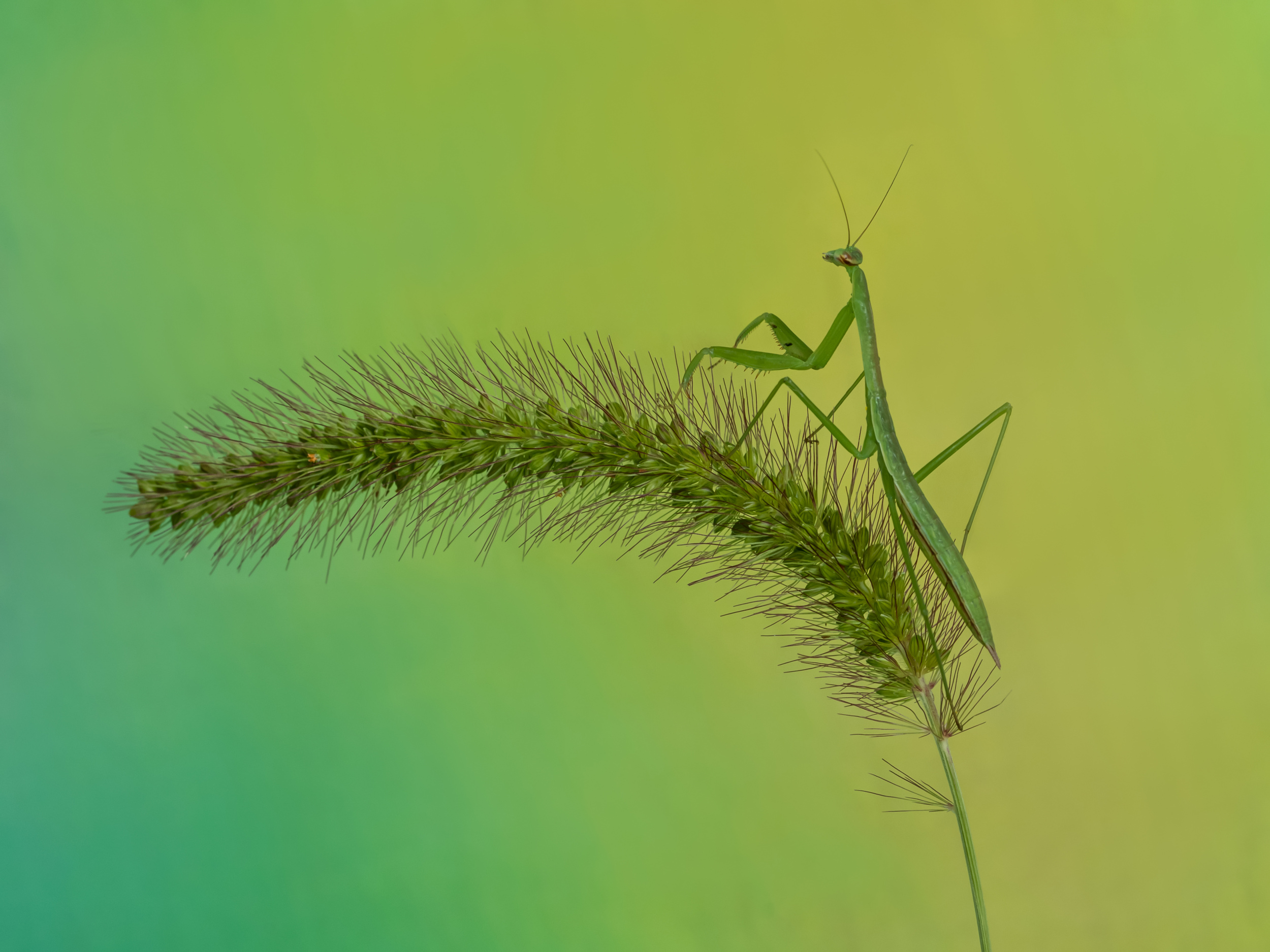
“Take a Rest” by Wendy Xu
The praying mantis must be the headline performer of the insect world.
With its heart-shaped face, wide-set eyes and a smile that looks suspiciously mischievous, it seems like it is born for the camera. Add to that the grace of a ballerina, the agility of an acrobat, and a flair for dramatic poses, and it's easy to see why macro photographers find these extraordinary little creatures so irresistible.
Mantises have been around for more than 135 million years. Today, there are over 2,400 known species, many of which have such remarkable shapes and disguises that they hardly seem real. But behind those charming faces are some rather surprising characters.
The name 'praying mantis' comes from that familiar pose, with the front legs folded together as though in prayer. Peaceful looking? Certainly. But those same legs are built for catching prey.
And the disguises! Some look like leaves, twigs, or even flowers. They can blend into their surroundings so effectively that you could be looking right at one and never realize.
Then there's the head turn. A mantis can swivel its head dramatically, as if it knows exactly where the camera is. It has five eyes — two large compound eyes and three tiny simple ones — and the ability to judge distance in three dimensions. Some mantises also have a single hearing organ on the underside of their thoraxes, which is useful for detecting high-frequency sounds.
Their love lives are not always romantic. A female may occasionally eat her mate, although this is far from inevitable. While some species can fly, others prefer to pose on a stem or flower. For many, life lasts only six to twelve months. A short life, perhaps, but quite a performance.
What makes mantises such irresistible photographic subjects is not just their appearance. It is their attitude. One seems to challenge the photographer to a duel, while another looks ready to take a bow. Some appear to dance. Others stand perfectly still, as if waiting for applause.
Of course, it is us who read personality into these poses. But that is part of the magic of photography: an insect becomes a character, and a brief encounter becomes a little story.
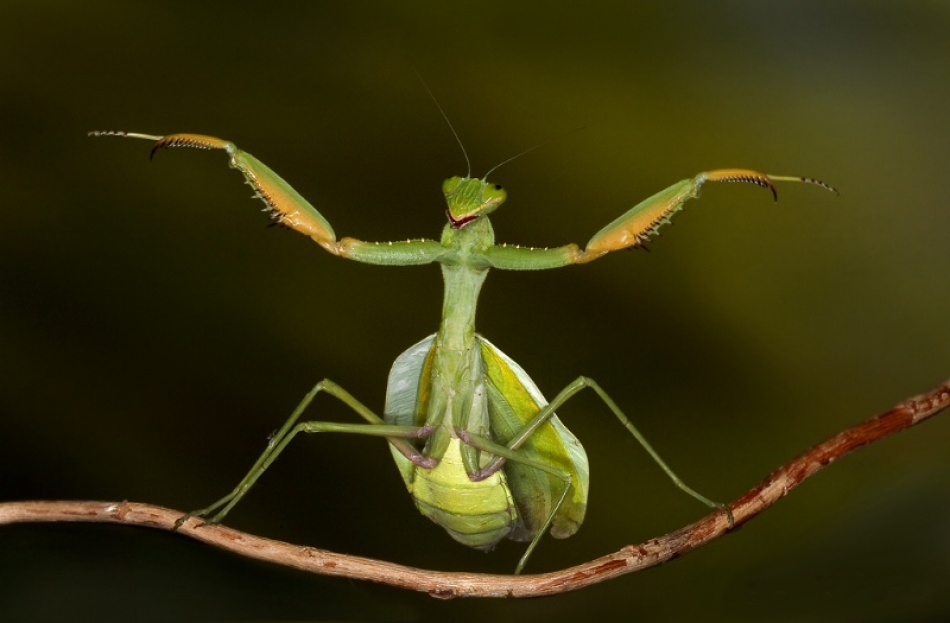
“Mantis director” by Joan Safont
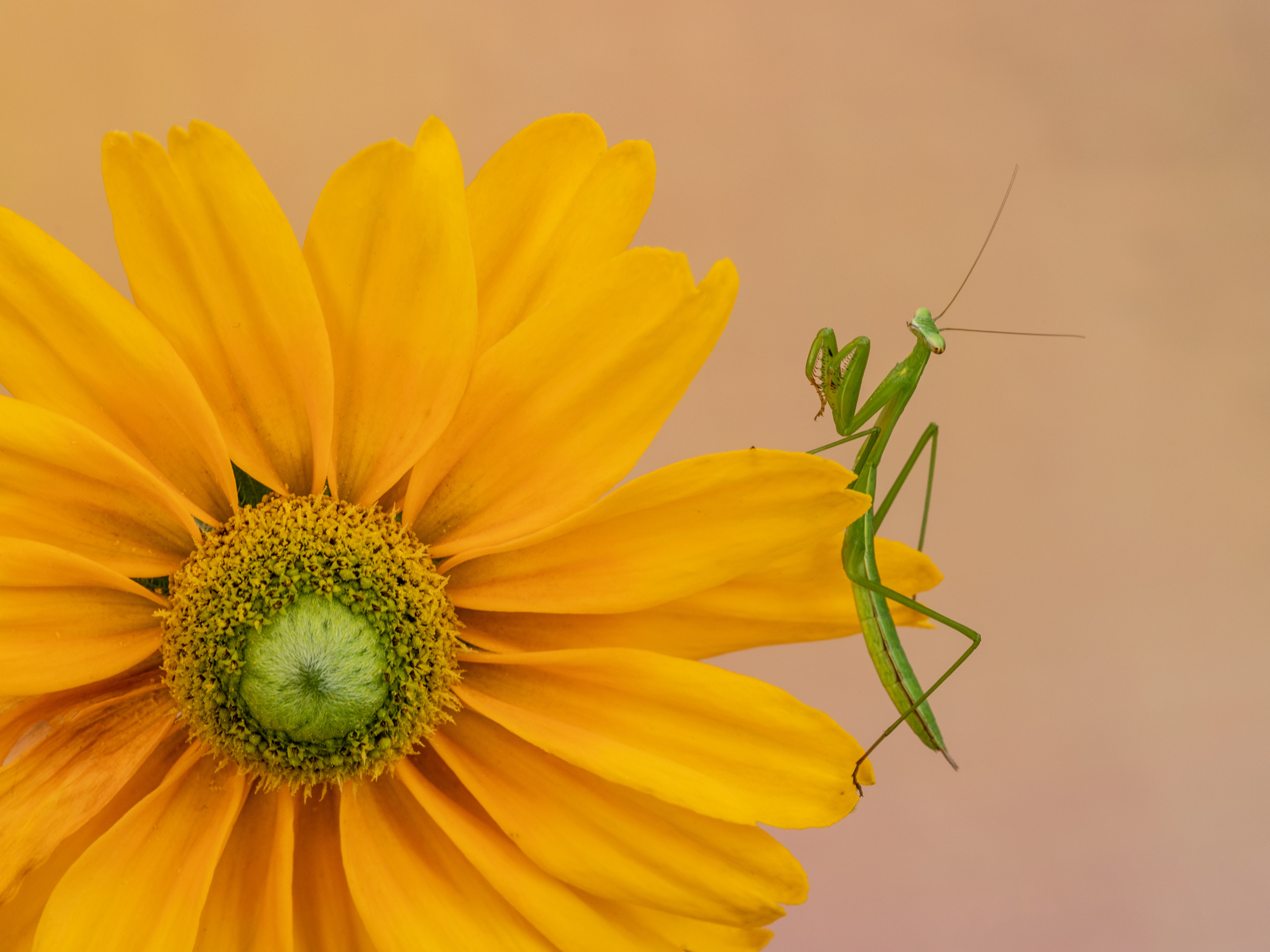
“Mantis and Rudbekia Prairie Sun” by Wendy Xu
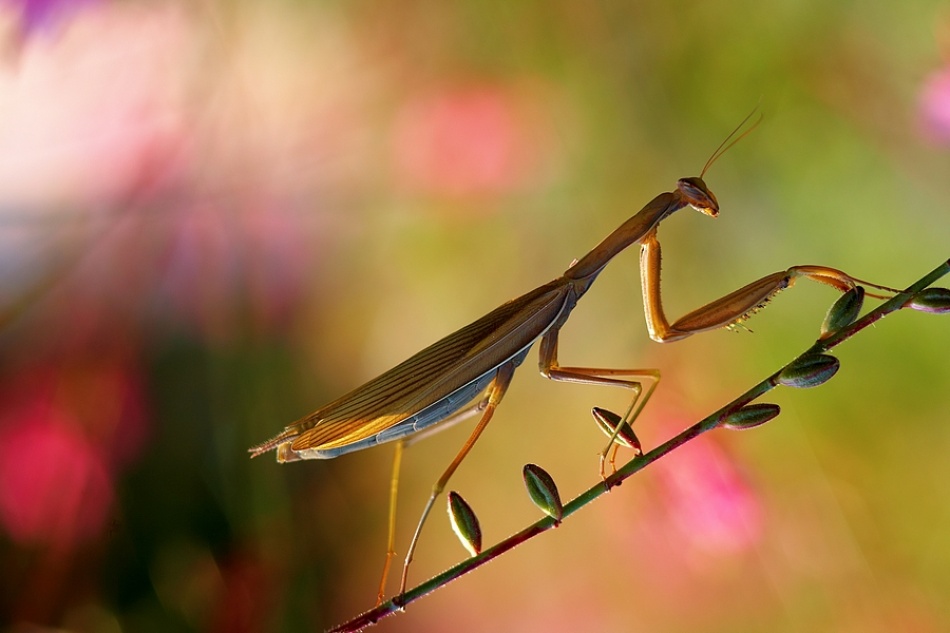
“Praying Mantis on a stalk” by Louis Despres
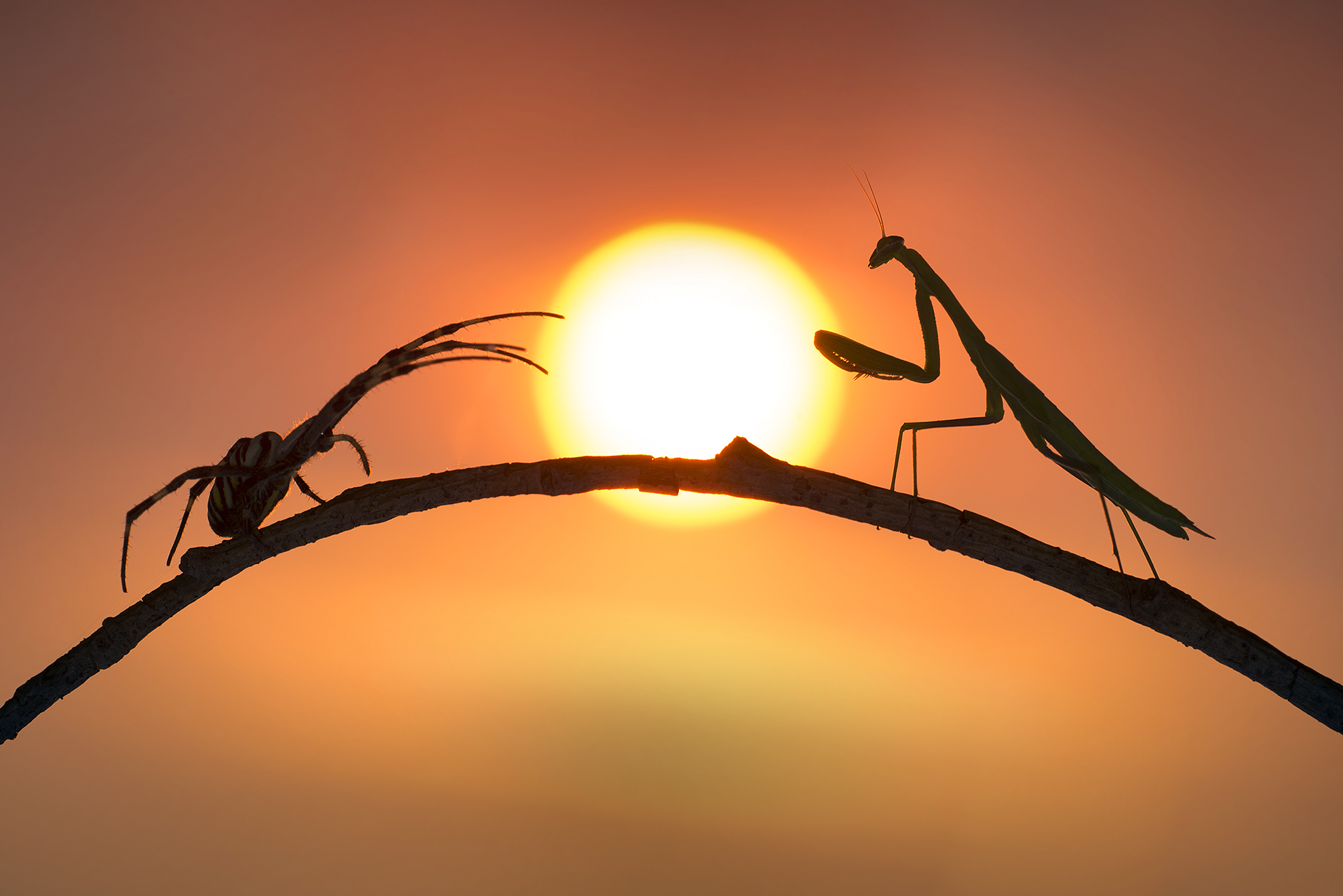
“Sfida All’ Alba” by Roberto Aldrovandi
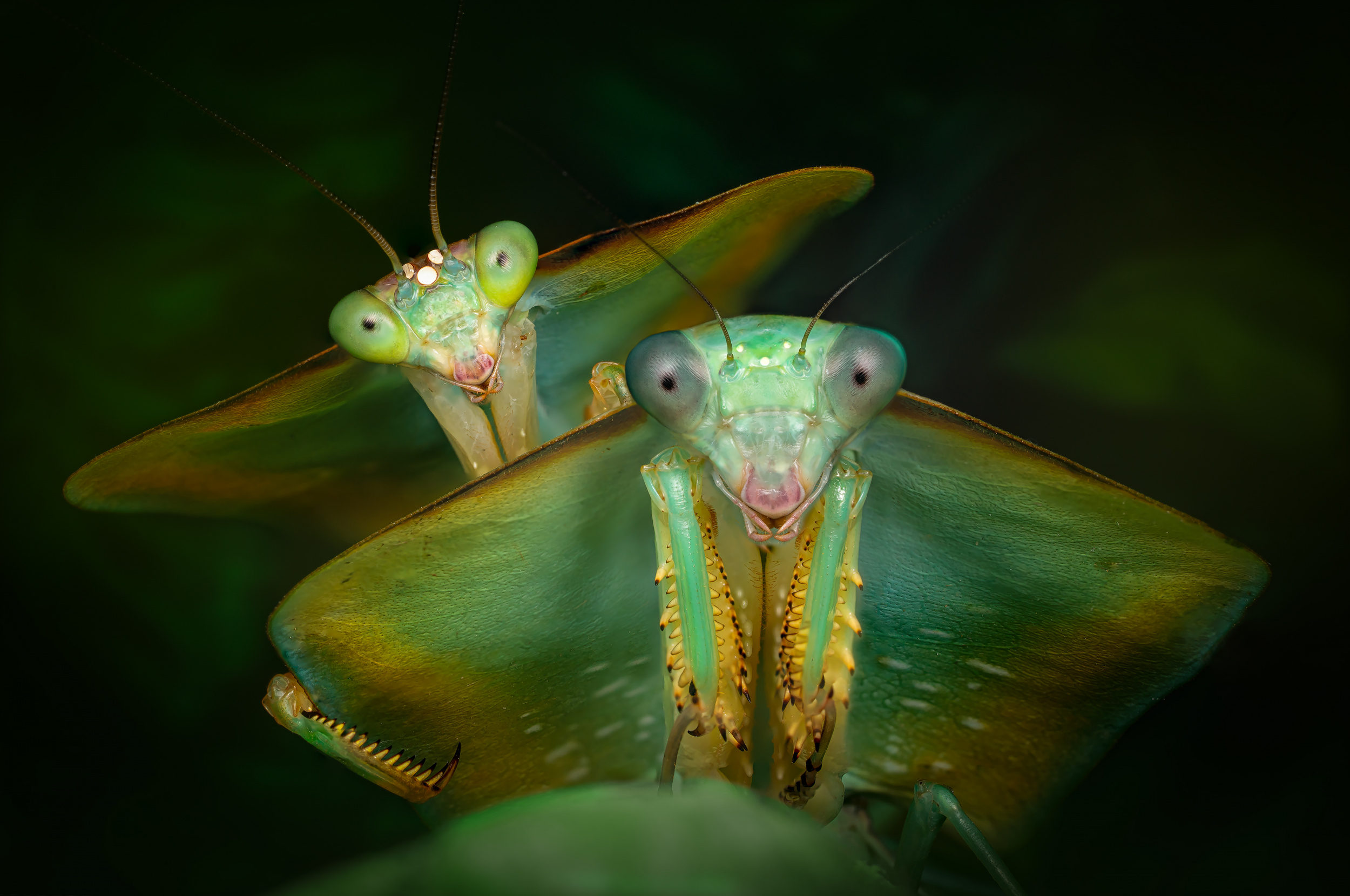
“Watcha’ Lookin At” by Liza Rock
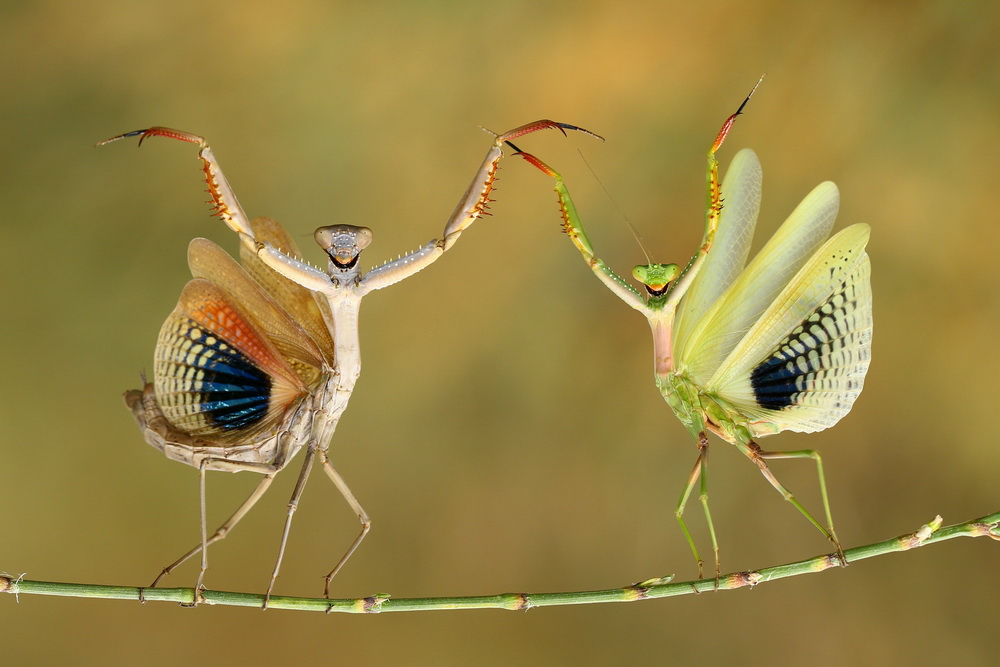
“Show Time” by Hasan Baglar
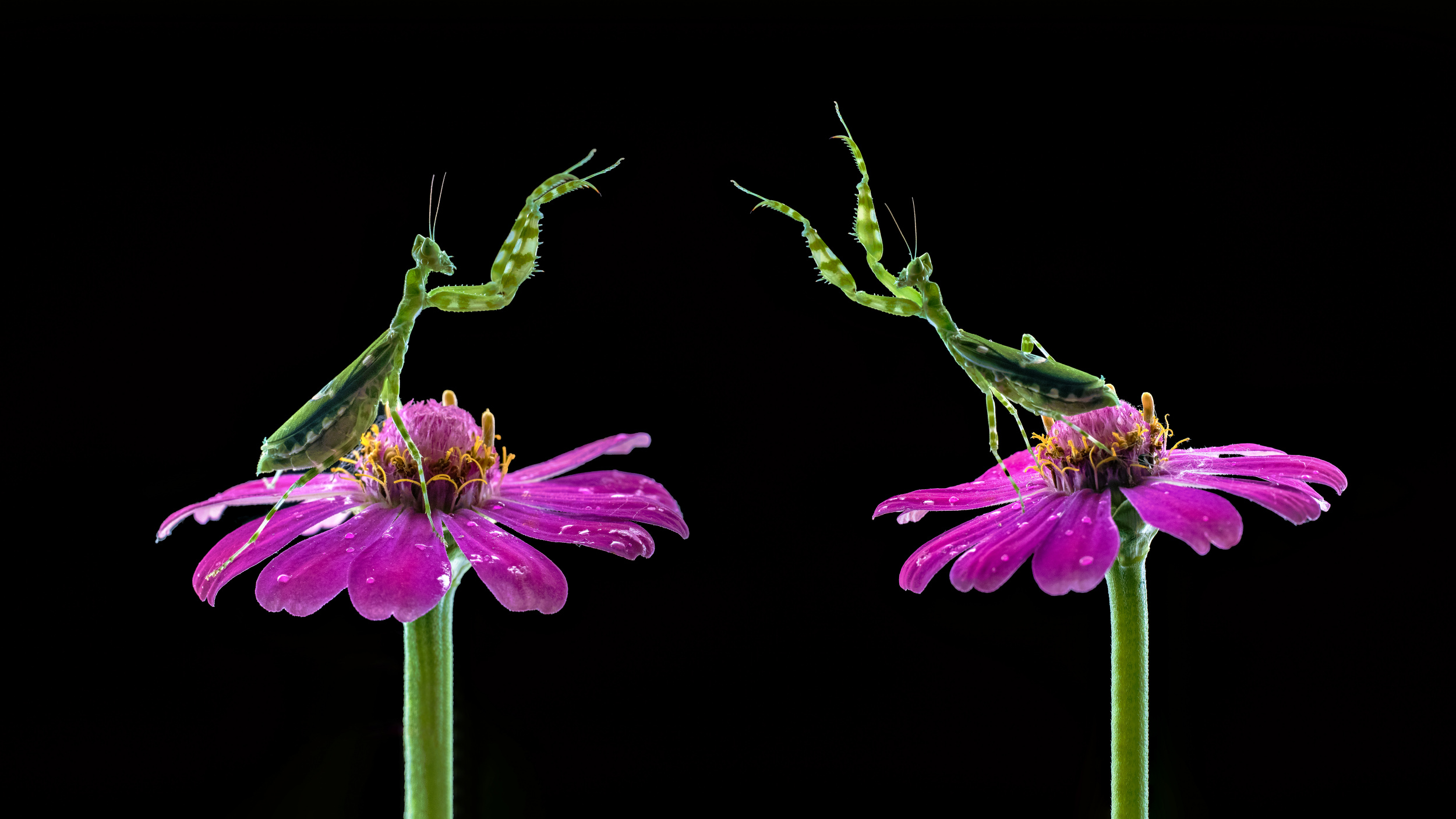
“The Standoff” by Antonyus Bunjamin (Abe)
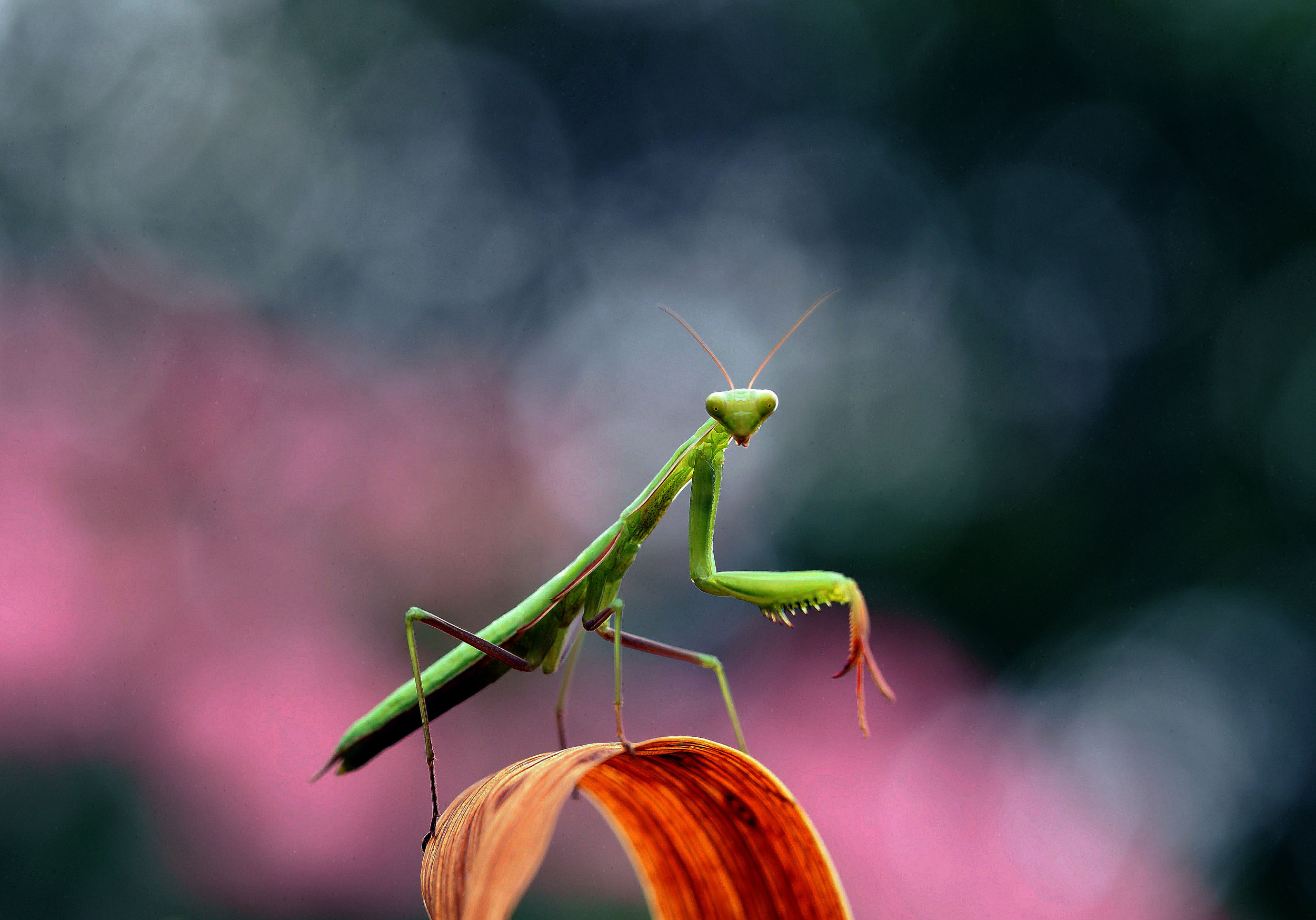
“Black Day” by Thierry Dufour
The talented macro photographers featured in this collection have transformed ordinary scenes into extraordinary images. I am sure each photographer has their own favourite methods and patient habits, as well as a few hard-won secrets.
Without a tutorial, I consulted Google for the basics:
Lens: Use a 90mm to 105mm macro lens (or a macro filter on a standard zoom lens) to get close without scaring the insect.
Shutter Speed: Use 1/200s to 1/500s to freeze movement.
ISO: Keep your ISO low (100 to 400) for clean, crisp detail.
Focus: Switch to manual focus or use manual focus stacking/bracketing if the mantis is large and full-body sharpness is hard to get in a single frame.
Use diffused lighting. Use a diffused flash, twin macro flash or small reflector with your camera to soften harsh shadows on the exoskeleton.
Control the background: Place a clean background card behind the subject, or angle your shot so that the green or brown mantis is not obscured by busy garden foliage.
Above all, move slowly. Mantises notice movement, so the best photograph may come from waiting rather than chasing. The camera settings will depend on the light, the level of magnification, and whether the subject is moving. There is no single magic combination.
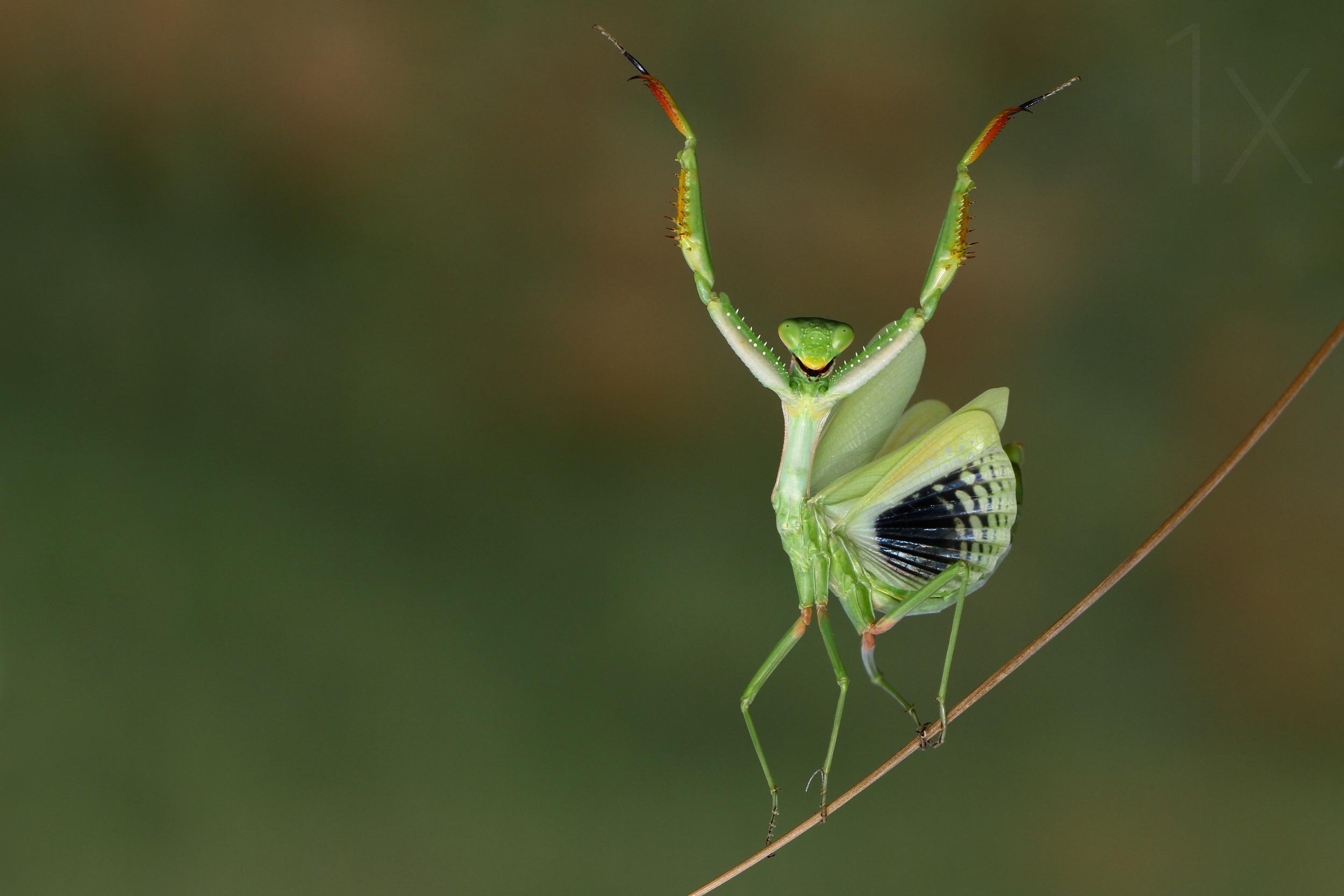
“Are you going to dance with me”? by Hasan Baglar

“White queen in the dark night” by Thierry Dufour
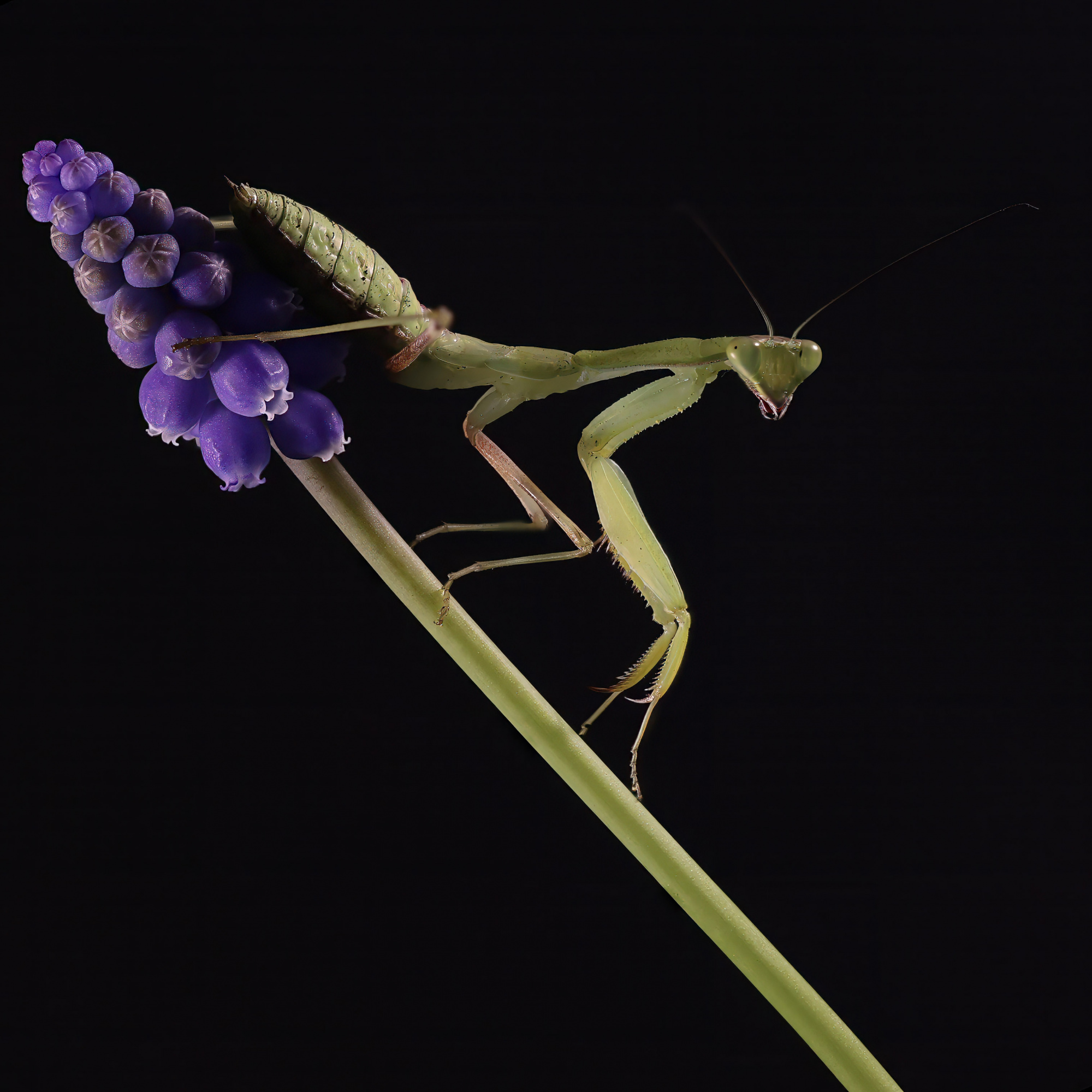
“Asian Mantis” by David Bennion
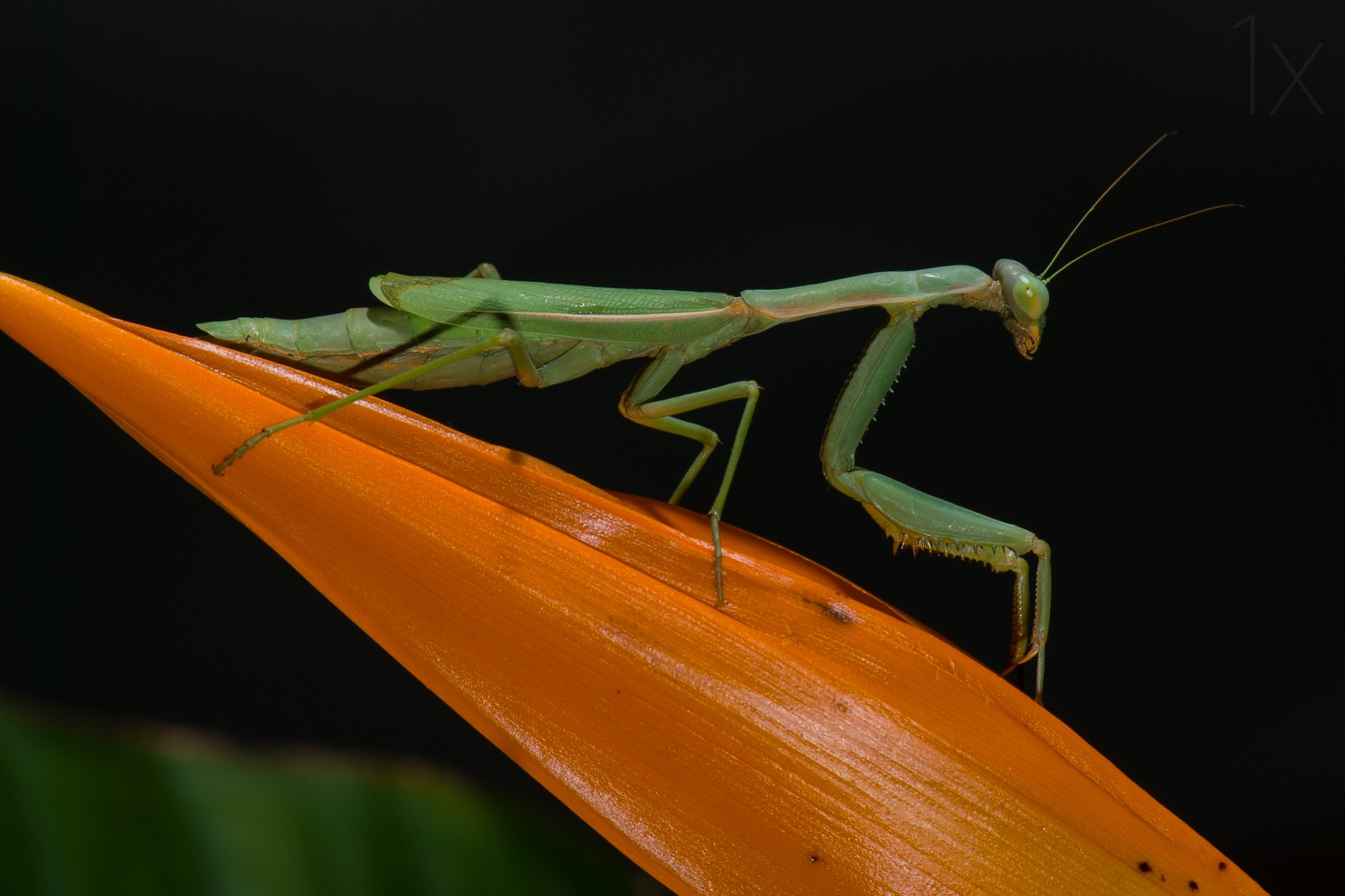
“In Profile” by Justin Hofman
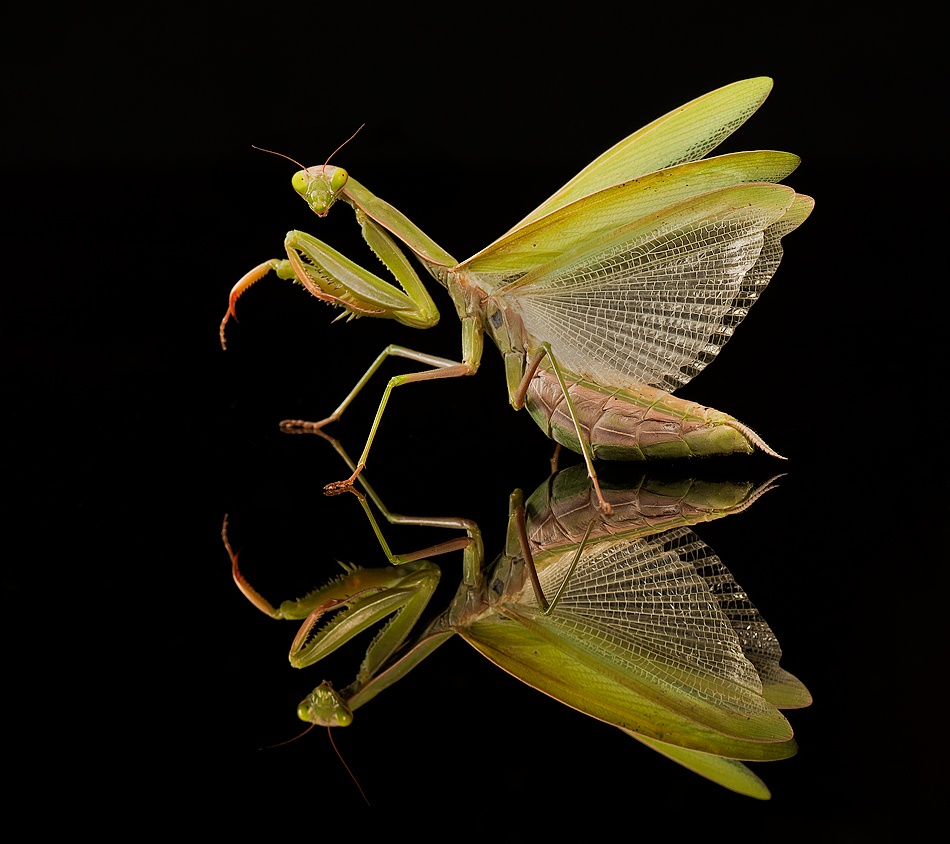
“Twins” by Iryna Melnyk
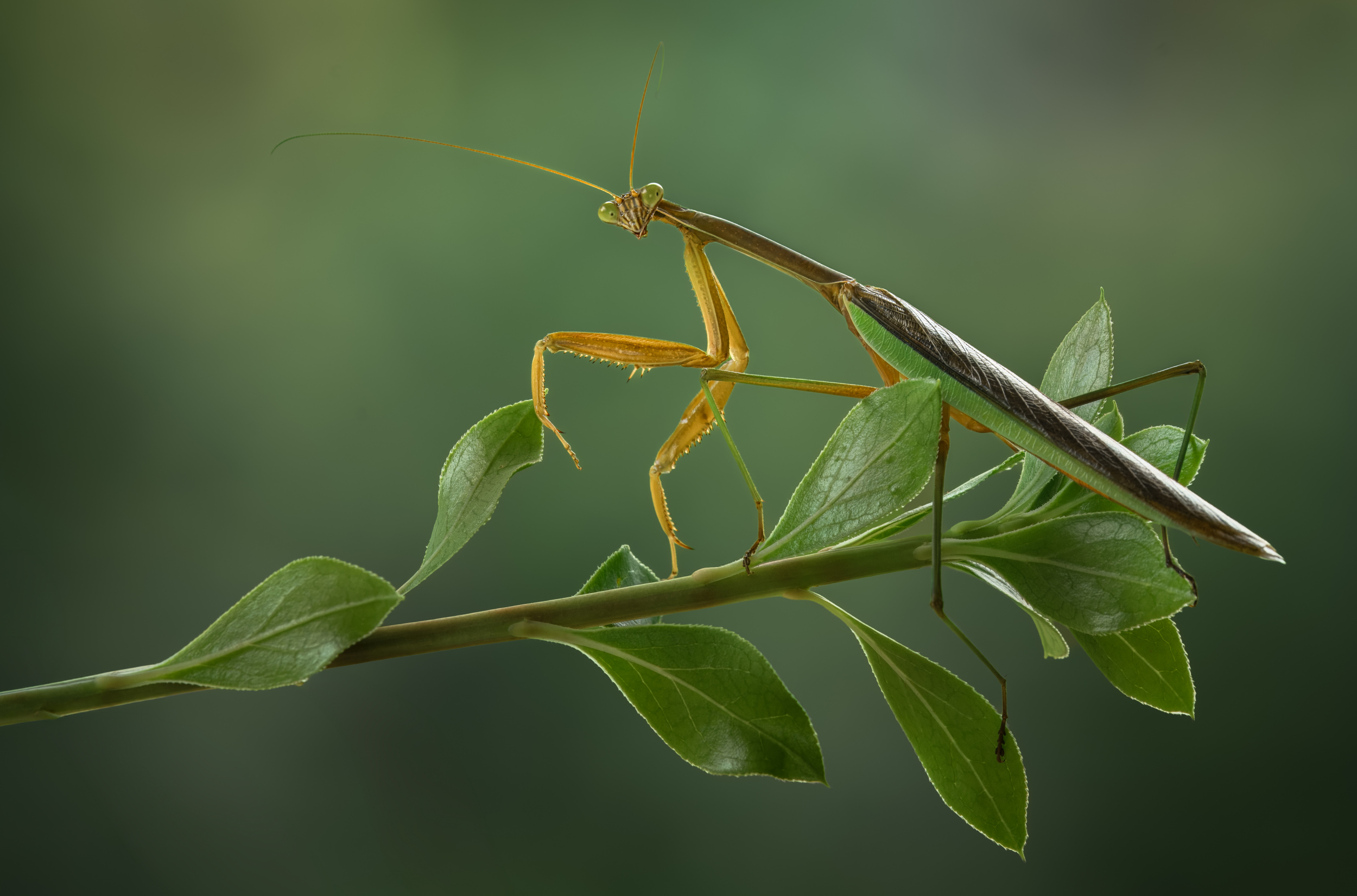
“Emerald in gold” by Atul Saluja
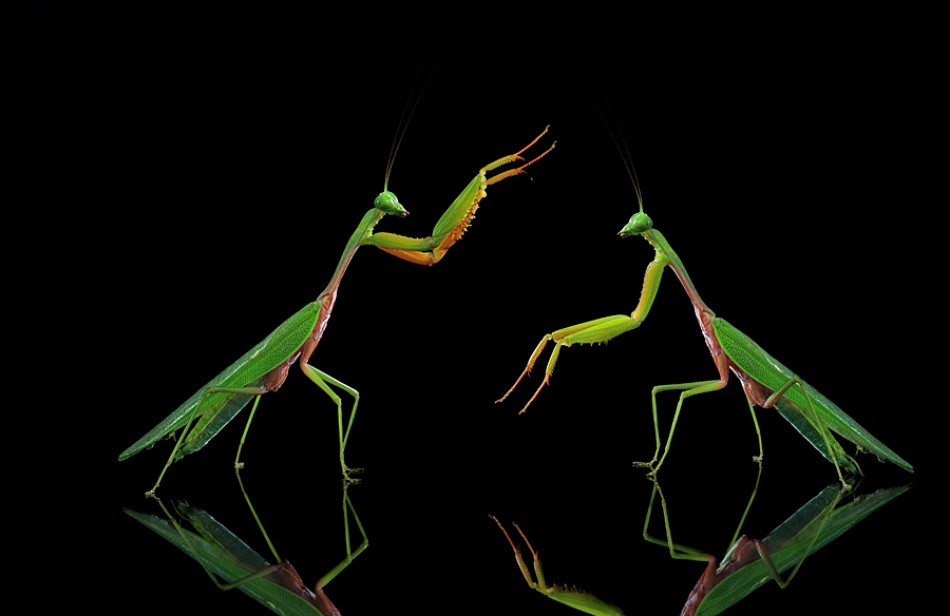
“Give me five” by Shikhei Goh
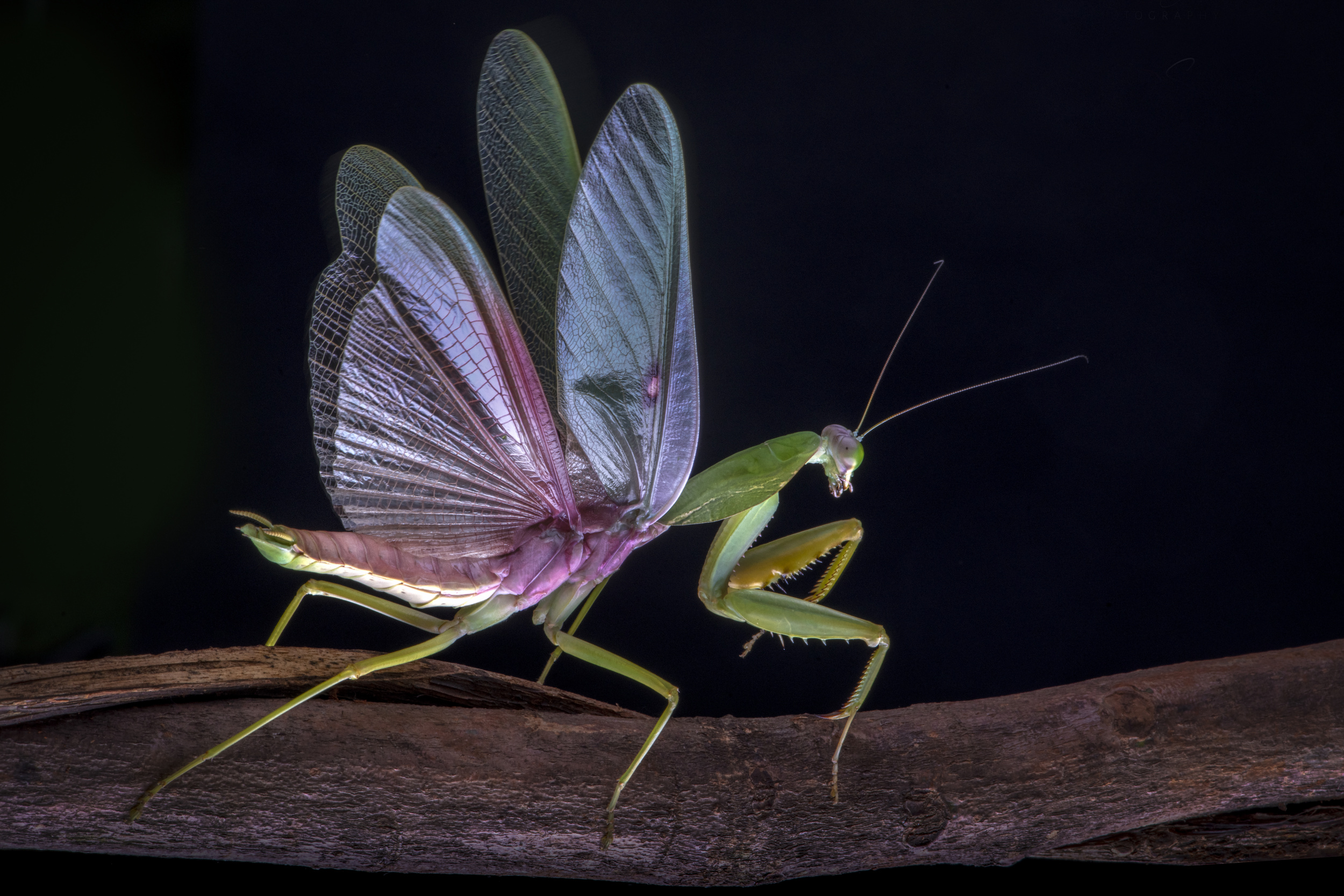
“Mantis blooming” by Ajar Setiadi
Whether it's dressed as a flower, balancing like an acrobat, or staring straight into the lens, the mantis never puts on an ordinary performance. These photographs serve as a reminder that some of nature's most captivating creatures are also among the smallest.
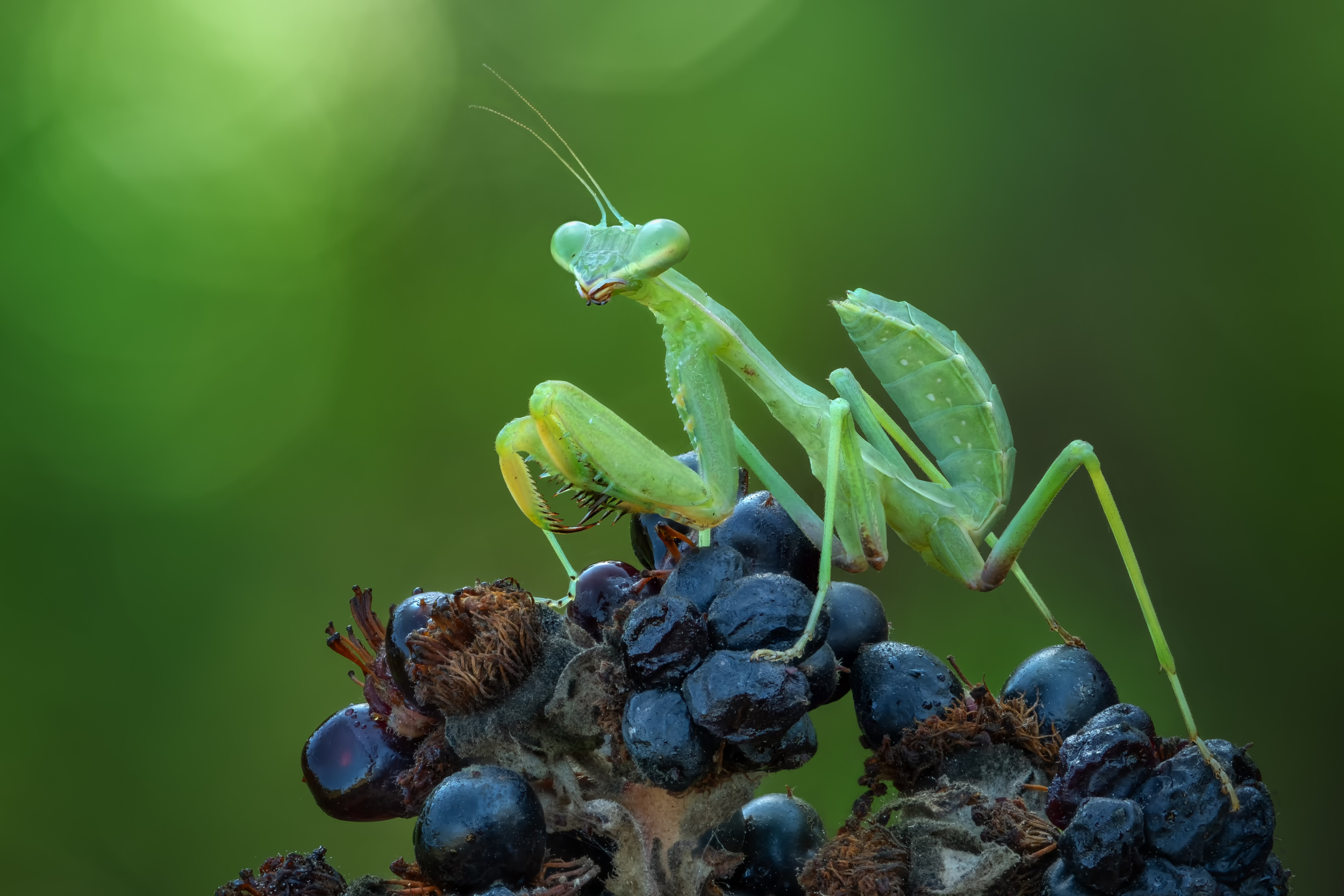
“Mantis” by Miron Karlinsky
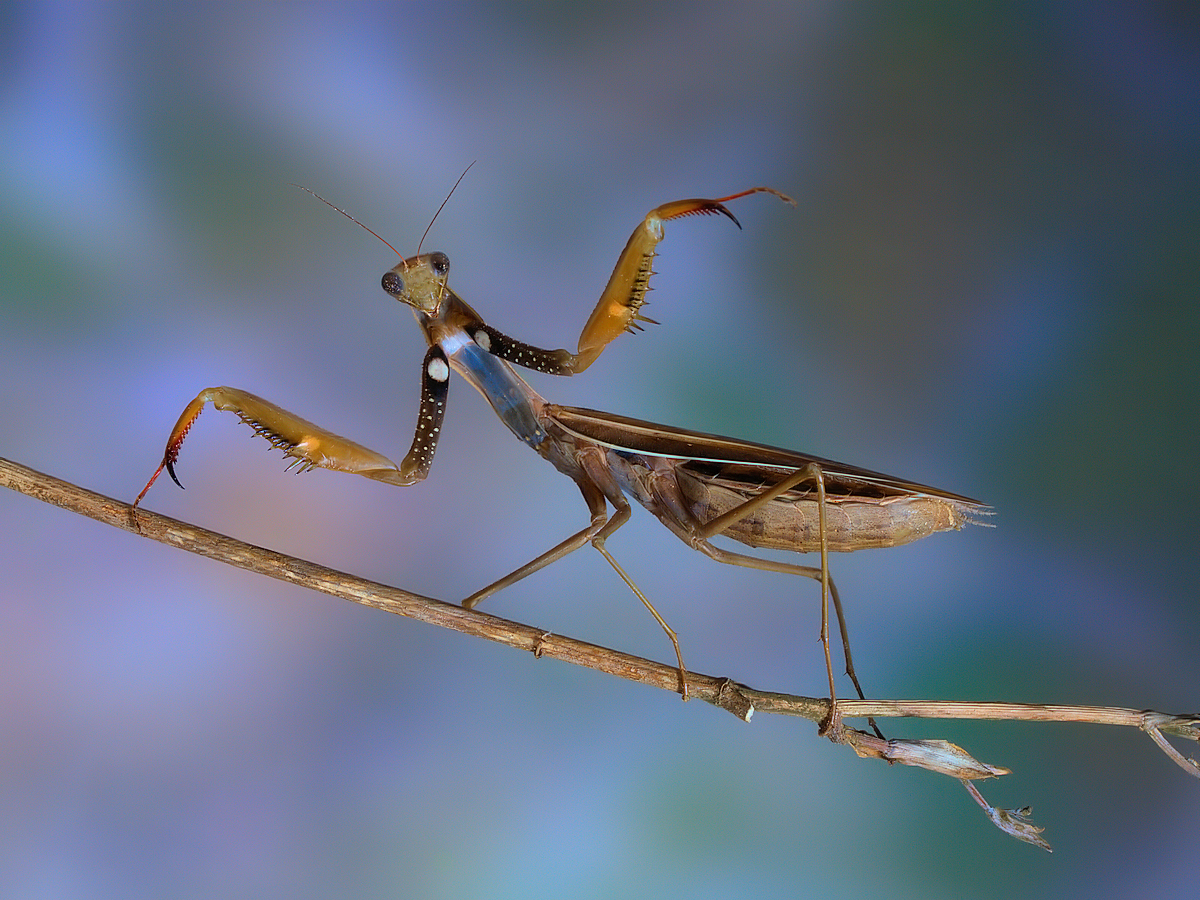
“Mantis religiosa” by Jimmy Hoffman
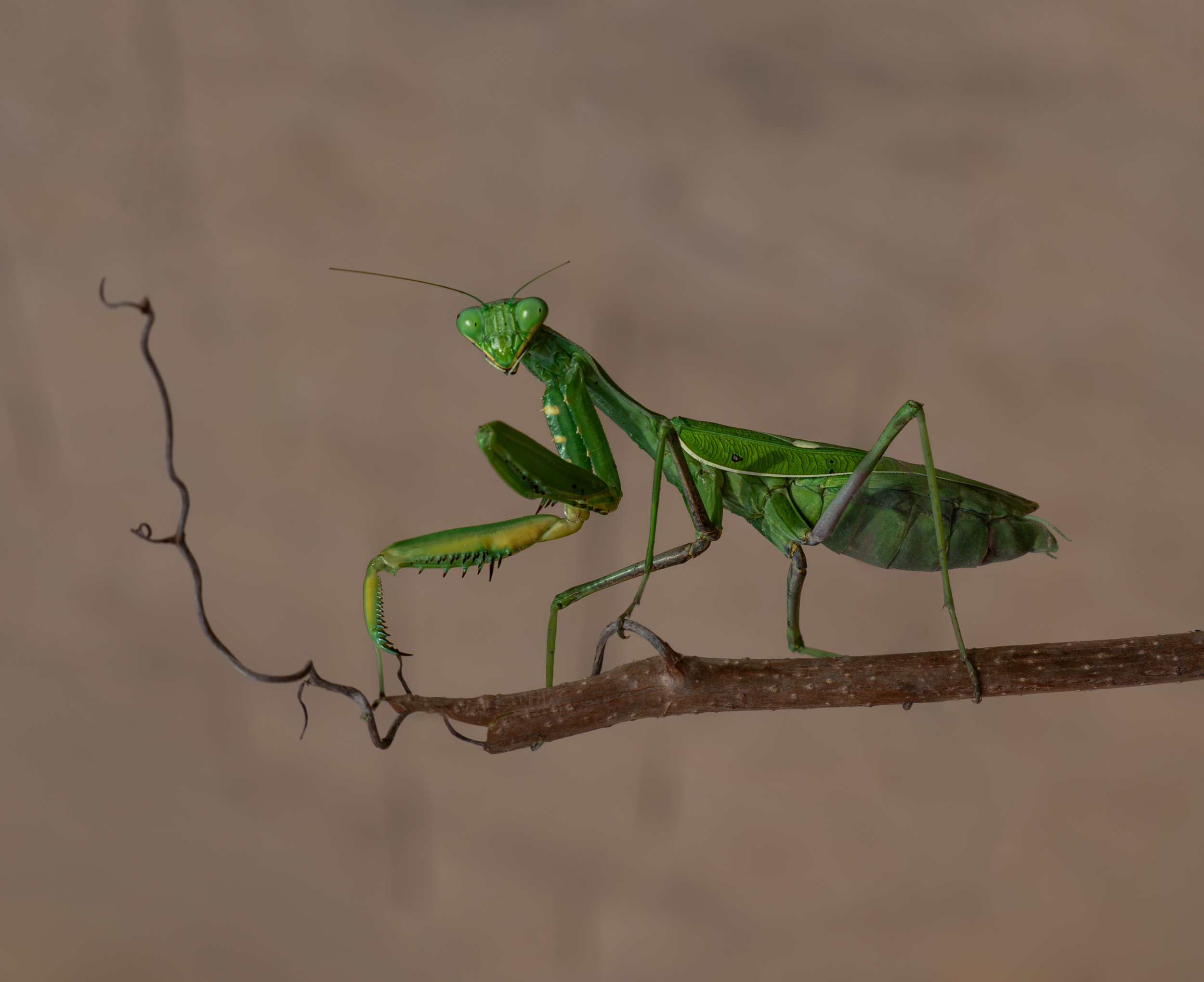
“Mantis 1” by JA Ruiz Rivas
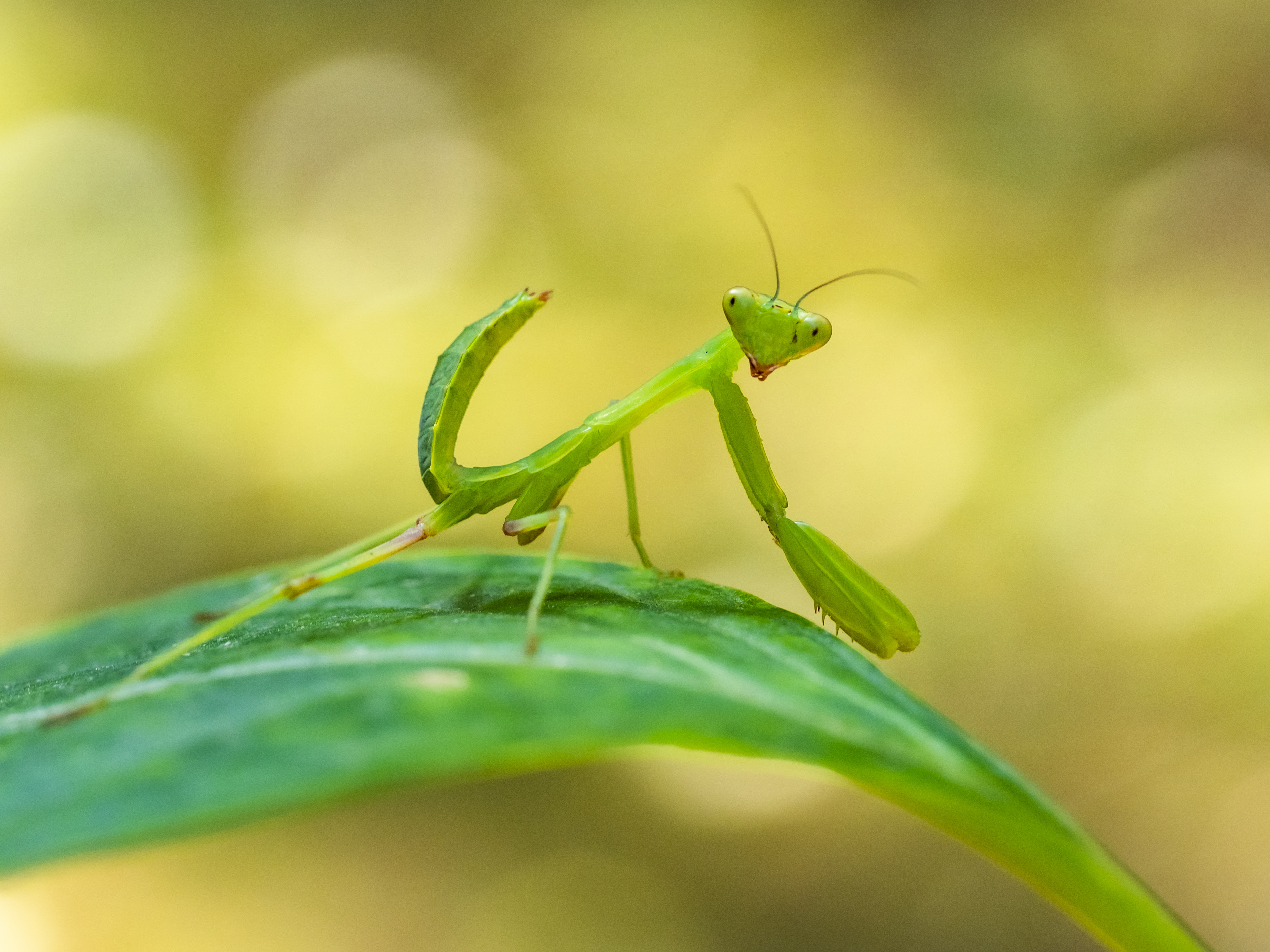
“Mantis” by Udrea Dan
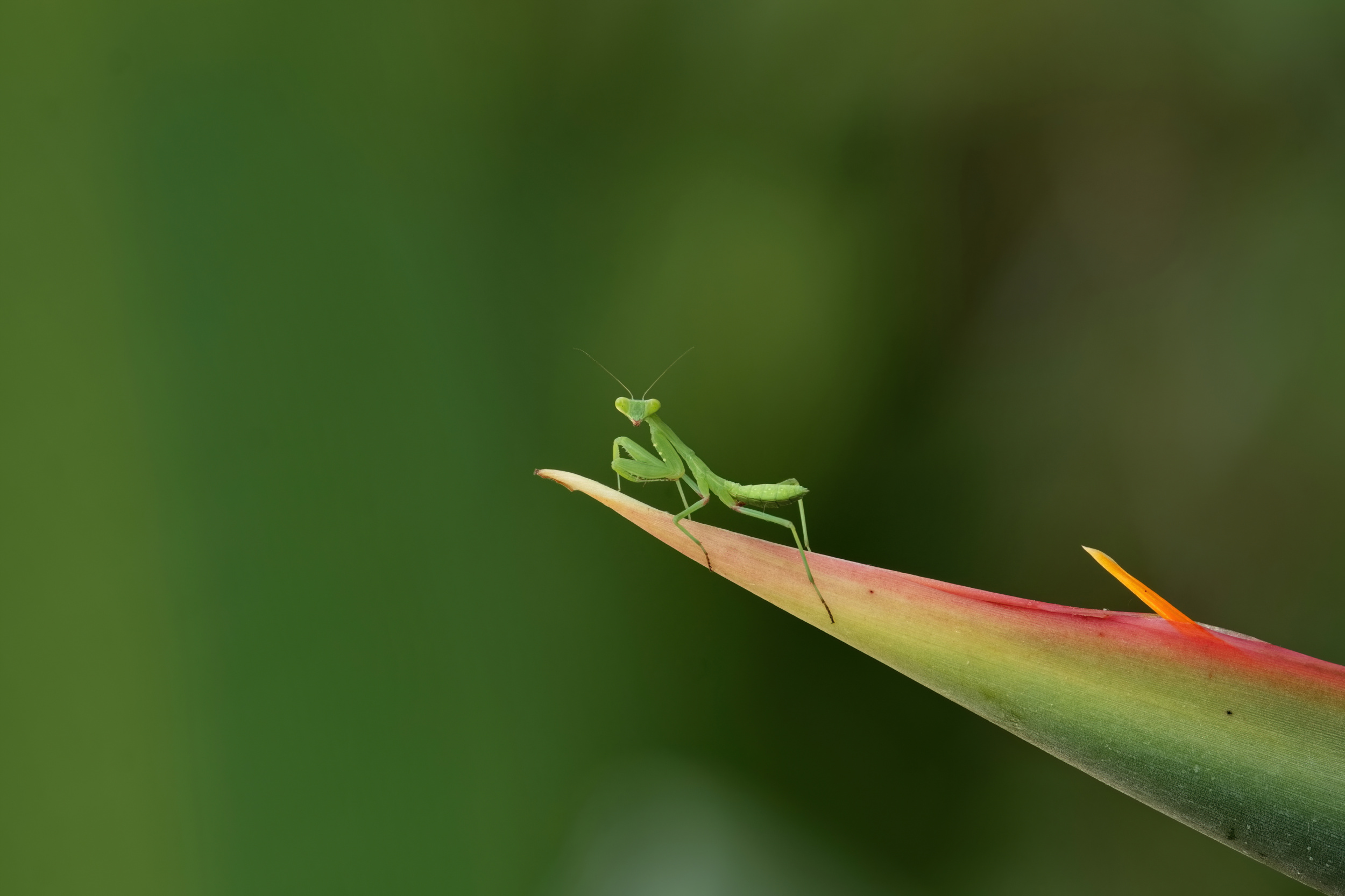
“Praying Mantis” by Avi Hirschfield
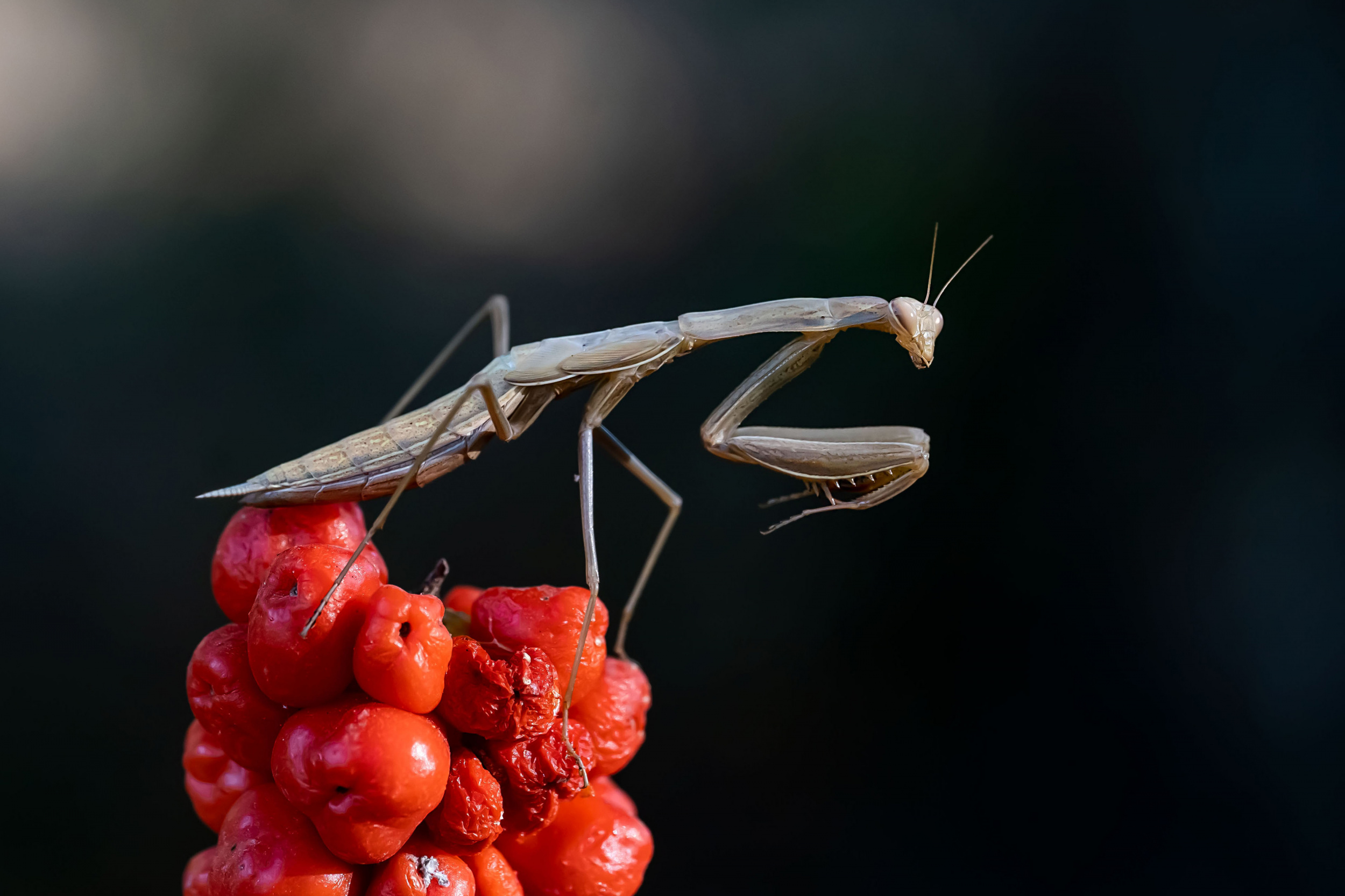
“Peygamberdevesi” by necmettin oba
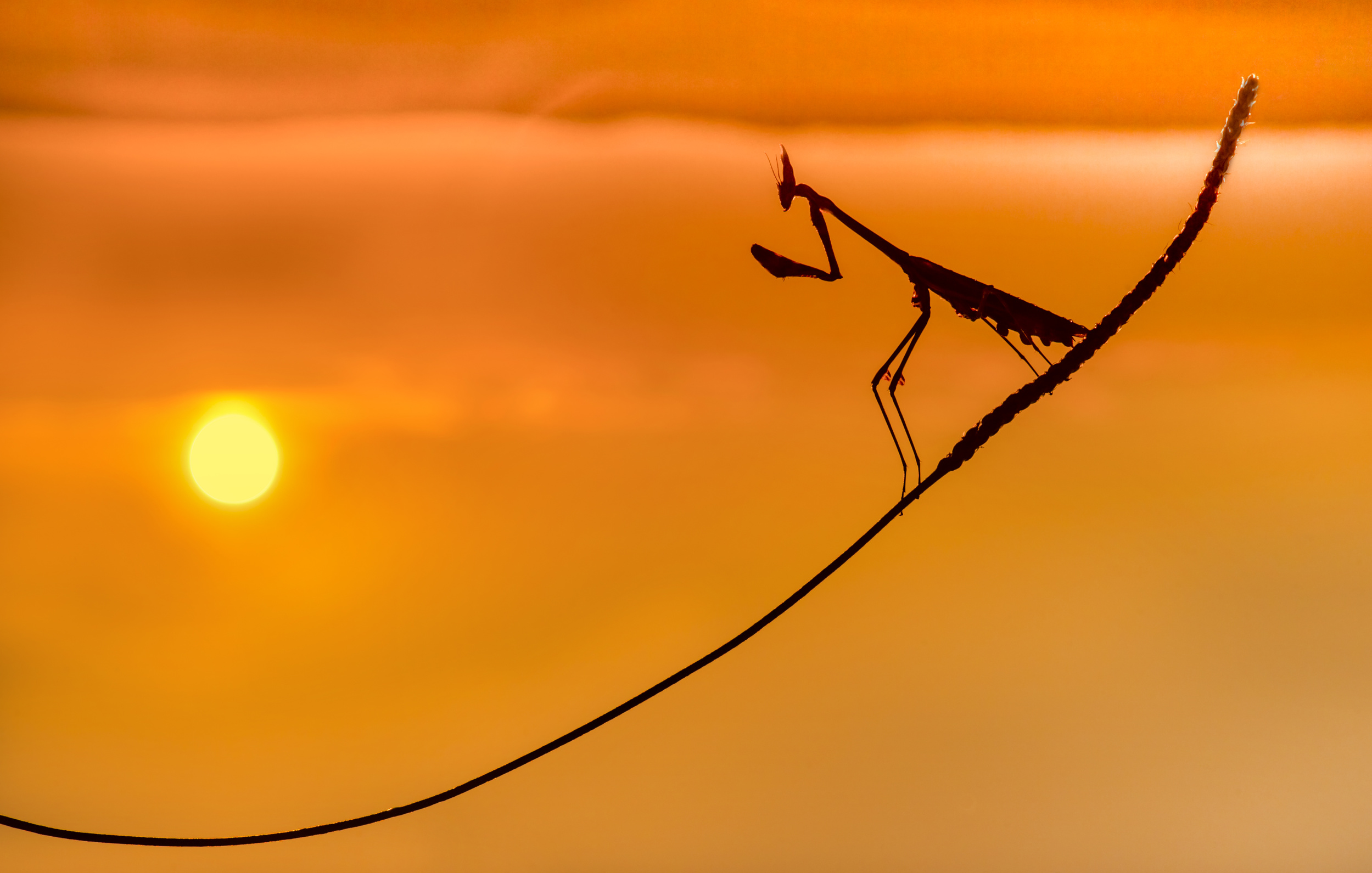
“prayer” by Ibrahim Canakci
 | Write |
 | Mohammed Alhajri PRO A masterful macro project that transcends simple insect photography into pure visual storytelling. You haven't just captured the pristine details and vibrant colors of the praying mantis; you have gracefully brought out their theatrical souls.
The anthropomorphic qualities you isolated—the defensive dance, the curiosity, and the geometric interactions with the flowers—make these creatures seem like performers on a high-fashion stage. The composition, sharp details, and use of micro-expressions show incredible patience and an exceptional artistic vision. Truly an inspiring series . |
 | Jane Lyons CREW Thanks very much for your comments Mohammed. It is so nice of you to take the time to write! |
 | Thierry Dufour PRO Dear Jane a big thank you for taking two of my images. Magnificent collection of this splendid insect. Thank so much to Yvette for this publication !!! |
| Jane Lyons CREW Hi Thierry, you have the most incredible Mantis photos. It was so hard to select. All your insects are photogenic. Thanks very much ! |
 | Michel Romaggi CREW Thank you for this article, Jane, and the beautiful photos of this very photogenic animal that I love but , unfortunately, I haven’t had many opportunities to see it in front of my camera ...;-) |
| | Michel Romaggi CREW Merci pour cet article , Jane, et les superbes photos d'un animal que j'adore mais que, malheureusement, je n'ai pas eu beaucoup d'occasion de voir devant mon objectif ...;-) |
 | Christine Hardcastle PRO What a wonderful subject to spotlight! Such delightful photos and whimsical observations. Thank you! |
| Jane Lyons CREW Christine, you are always so nice to check in and comment. I really appreciate it! |
 | Yvette Depaepe CREW Dear Jane, this is a wonderful ode to this amazing little star. Fantastic choice of images ... Congratulations to you and to all the authors. Cheers, yvette |
| Jane Lyons CREW Thanks so much Yvette. I had so many great photographs to choose from it was really fun to do. What amazing creatures ! |
 | Roland Weber PRO Wow.. that is an amazing story and such wonderful photos of the small rock star.
Thanks for sharing, thanks to the editors and publisher, thanks to the photographer and their skills and passion to get us such photos.
|
| Jane Lyons CREW Hi Roland, thank you for checking it! |